
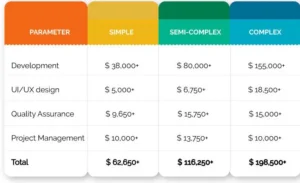
Mobile app development is an exciting and rewarding process, but it comes with hidden costs that can quickly spiral if not carefully managed. While most businesses and entrepreneurs focus on the visible expenses of design, development, and marketing, it’s the hidden costs that often catch them off guard. Understanding these hidden expenses is essential for ensuring that your mobile app remains within budget and on track for success. In this post, we’ll explore the hidden costs of mobile development and provide actionable insights on what to watch out for, so you can manage your project more effectively and avoid unexpected surprises.
What Are the Hidden Costs of Mobile Development?
Mobile app development costs go far beyond the initial design and coding stages. While the price of hiring a developer or contracting an agency is often quoted upfront, there are numerous hidden costs that can accumulate over the course of the project. These hidden costs can include everything from unforeseen technical challenges to ongoing maintenance and marketing. If left unaccounted for, they can lead to budget overruns and delayed timelines.
Key Hidden Costs in Mobile Development:
- Post-Launch Maintenance
- App Testing and Debugging
- Platform-Specific Development Costs
- Marketing and User Acquisition Costs
- Third-Party Integrations and APIs
Why Are Hidden Costs Important?
Understanding the hidden costs in mobile development is critical for anyone embarking on an app project, whether you’re an entrepreneur, small business owner, or enterprise looking to innovate. Overlooking these factors can lead to major issues during the development cycle and beyond. Here’s why knowing about hidden costs is so important:
1. Protecting Your Budget
Hidden costs can quickly escalate if not properly planned for. By being aware of these costs in advance, you can avoid going over budget and ensure that the project remains financially feasible.
2. Avoiding Delays
Hidden costs often lead to delays. For example, if additional features or third-party integrations are needed but not initially considered, it could push back the timeline and cause frustration among stakeholders.
3. Long-Term Sustainability
Mobile apps require ongoing updates, fixes, and improvements. Understanding ongoing maintenance and operational costs will help you plan for the long-term success of the app without draining resources prematurely.
Common Hidden Costs in Mobile App Development
1. Post-Launch Maintenance Costs
Once your app is launched, the costs don’t stop there. Post-launch maintenance is an ongoing expense that includes:
- Bug fixes
- Updates for new OS versions
- Performance optimization
How to Manage:
- Set aside a percentage of your total budget for ongoing support and maintenance.
- Plan for regular updates and fixes to keep the app relevant and functional.
2. App Testing and Debugging
While most developers include basic testing in the initial project scope, thorough testing of your app across multiple devices and operating systems can incur additional costs. These costs include:
- Cross-platform testing
- Device-specific debugging
- User acceptance testing
How to Manage:
- Allocate a separate budget for testing to avoid underestimating the time and resources needed.
- Use automated testing tools to speed up the process and reduce costs.
3. Platform-Specific Development Costs
Developing for multiple platforms, such as iOS and Android, adds additional costs. Each platform requires:
- Separate development efforts (native apps or cross-platform solutions)
- Distinct design specifications and UI/UX adjustments
- App store fees for deployment
How to Manage:
- Consider using cross-platform development tools (e.g., Flutter or React Native) to save on costs.
- Choose the platform that best fits your target audience to minimize the need for multiple platforms.
4. Third-Party Integrations and APIs
Many mobile apps rely on third-party services, like payment gateways, analytics, and social media integrations, which come with their own costs. Additionally, some APIs have usage limits that may require a paid plan once the app scales.
How to Manage:
- Review pricing for any third-party services and ensure the cost is accounted for in the long-term budget.
- Consider open-source alternatives for certain functionalities to save costs.
5. Marketing and User Acquisition Costs
Once your app is developed, you’ll need to invest in marketing and user acquisition strategies to ensure your app reaches the right audience. These costs can include:
- App store optimization (ASO)
- Paid advertising (e.g., Google Ads, Facebook Ads)
- Influencer marketing
- App launch events
How to Manage:
- Create a marketing plan that’s aligned with your app’s lifecycle and expected revenue generation.
- Start marketing early, even before launch, to build anticipation and gather early users.
Tips for Managing the Hidden Costs of Mobile Development
1. Create a Detailed Budget with Contingency Plans
When you start the development process, ensure you have a detailed budget that includes not just development and design costs but also a contingency fund for unexpected expenses.
2. Outsource Wisely
Outsourcing can be a cost-effective solution for mobile app development, but it’s important to choose developers or agencies with a proven track record and clear communication to avoid potential delays and added costs.
3. Use Cross-Platform Tools to Reduce Development Costs
As mentioned, cross-platform development frameworks like Flutter, React Native, or Xamarin can help reduce costs by allowing you to build apps for both iOS and Android with a single codebase.
4. Account for Long-Term Maintenance
Maintenance isn’t just about fixing bugs; it includes adding new features, making updates, and ensuring security patches. Consider the total cost of ownership when planning your app development budget.
Common Mistakes to Avoid
1. Underestimating the Testing Phase
Testing is often rushed or underestimated, leading to more bugs down the line. Ensure you allocate proper time and budget for testing to avoid post-launch issues.
2. Ignoring Post-Launch Costs
Many developers fail to account for ongoing costs after the app is launched, such as updates, customer support, and server maintenance. Be sure to plan for the entire app lifecycle.
3. Not Prioritizing User Acquisition
Without an effective user acquisition strategy, even the best app can fail. Don’t overlook the costs of marketing and acquiring users in your overall budget.
FAQs About the Hidden Costs of Mobile Development
Q: How can I minimize post-launch maintenance costs?
A: Plan for regular updates, monitor performance actively, and prioritize fixing critical bugs early to avoid long-term maintenance issues.
Q: Are cross-platform apps cheaper to develop?
A: Yes, cross-platform apps typically reduce the need for separate development for iOS and Android, but some trade-offs in performance may exist.
Q: What are the hidden costs associated with user acquisition?
A: Costs can include paid advertising, influencer marketing, app store optimization, and promotions for early users.
Conclusion
The hidden costs of mobile development are real, but with careful planning and foresight, you can avoid common pitfalls and ensure your app’s financial success. By accounting for post-launch maintenance, platform-specific development, third-party integrations, and marketing expenses, you can build a more accurate budget and avoid any unpleasant surprises.
Are you ready to launch your mobile app without the hidden costs creeping up on you? Let us know how you’re planning to manage your development costs, and share your experiences in the comments below!